

Introduction
Finding trustworthy health information online can be difficult. Search results often contain a mixture of professional resources, personal experiences, commercial content, and advice that may not apply to everyone. That is why readers need clear, practical information that helps them understand health topics without making unnecessary or unsupported claims.
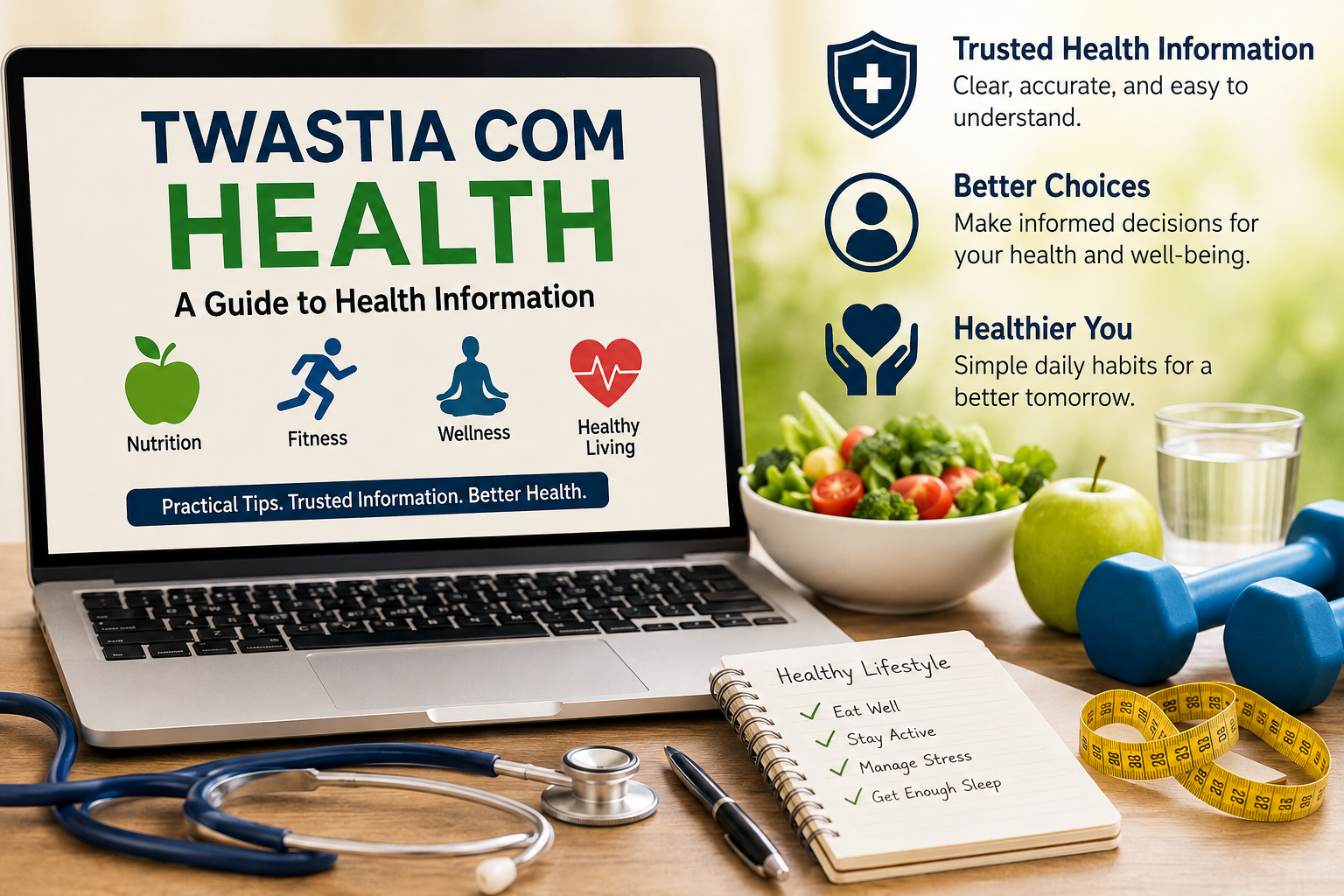
Twastia Com Health is a useful topic area for exploring general health, wellness, healthy habits, prevention, nutrition, fitness, and everyday well-being. A good health resource should do more than provide quick answers. It should explain important concepts clearly, distinguish general information from professional medical advice, and encourage readers to make informed decisions.
This guide explains what readers should look for when exploring health information, which areas of wellness are worth understanding, how to evaluate online health claims, and when professional guidance may be appropriate.
Key Takeaways
- Reliable health information should be clear, evidence-informed, and transparent about its limitations.
- Healthy living involves several areas, including nutrition, physical activity, sleep, mental well-being, and preventive care.
- Online health content should complement—not replace—advice from qualified healthcare professionals.
- Readers should be cautious about dramatic health claims, miracle treatments, and promises of guaranteed results.
- Small, sustainable lifestyle habits can support overall well-being over time.
- Health information should be considered in the context of an individual’s age, circumstances, medical history, and professional guidance.
Main Article
What Is Twastia Com Health?
The phrase twastia com health can be understood as a search term for health and wellness information associated with Twastia Com. Readers searching for this topic may be interested in general guidance about healthy living, nutrition, fitness, prevention, wellness, or common health questions.
Health information is a broad subject. It can cover everything from everyday lifestyle habits to explanations of health conditions and preventive care.
However, not every health article online has the same level of reliability. Readers should consider whether information is presented responsibly and whether important limitations are explained.
A trustworthy health resource should aim to help readers understand a subject rather than encourage them to make a medical decision based solely on an online article.
Why Reliable Health Information Matters
Health decisions can have meaningful consequences. Poor-quality information may encourage unnecessary treatments, unsafe lifestyle changes, delayed medical care, or unrealistic expectations.
Reliable information can help readers:
- Understand basic health concepts.
- Prepare questions for a healthcare professional.
- Learn about healthy lifestyle practices.
- Recognize when a symptom may require professional attention.
- Compare general approaches to wellness.
- Understand the difference between prevention and treatment.
- Make more informed decisions about everyday habits.
The purpose of online health content should be education. Individual diagnosis and treatment decisions require appropriate professional assessment.
Major Areas of Health and Wellness
Health is not limited to one aspect of life. Overall well-being involves several interconnected areas.
Nutrition and Healthy Eating
Nutrition provides the energy and nutrients the body needs to function. A balanced eating pattern generally involves a variety of foods rather than focusing excessively on a single ingredient or nutrient.
A practical approach may include:
- Vegetables and fruits
- Whole grains and other high-fiber foods
- Appropriate sources of protein
- Healthy sources of dietary fats
- Adequate fluids
- Moderation of highly processed foods when appropriate
Individual nutritional needs vary. Age, activity level, allergies, dietary restrictions, health conditions, and other factors can influence what is appropriate.
Readers should be skeptical of diets that promise dramatic results without considering individual circumstances.
Physical Activity
Regular physical activity is an important part of maintaining overall health. Different forms of movement can serve different purposes.
Examples include:
- Walking
- Cycling
- Swimming
- Strength exercises
- Recreational sports
- Mobility and flexibility activities
People who are new to exercise can often benefit from starting at a manageable level and gradually building consistency.
Anyone with a medical condition, significant physical limitation, or concern about starting a new exercise program should consider discussing appropriate activity with a qualified professional.
Sleep and Recovery
Sleep is another important component of well-being. Consistently poor sleep can affect daily energy, concentration, mood, and general functioning.
Healthy sleep habits may include maintaining a relatively consistent schedule, creating a comfortable sleeping environment, and reducing activities that interfere with winding down before bed.
Persistent or severe sleep problems should not automatically be treated as a lifestyle issue. A healthcare professional can help identify whether an underlying problem needs attention.
Mental and Emotional Well-Being
Health also includes emotional and psychological well-being.
Everyday practices that may support general well-being include maintaining social connections, taking appropriate breaks, staying physically active, and making time for enjoyable activities.
Mental health concerns can be more complex than ordinary stress. Persistent changes in mood, behavior, sleep, or daily functioning deserve appropriate attention from a qualified healthcare professional.
Online articles can provide general education, but they should not be used to diagnose a mental health condition.
Preventive Health and Everyday Wellness
Prevention focuses on reducing avoidable health risks and identifying potential problems early.
Preventive health can involve:
- Appropriate routine checkups.
- Recommended screenings based on age and risk factors.
- Staying informed about relevant vaccinations.
- Maintaining healthy lifestyle habits.
- Understanding personal and family health history.
- Discussing concerning changes with a healthcare professional.
Preventive recommendations are not identical for everyone. A person’s age, family history, existing conditions, lifestyle, and other risk factors can affect what is appropriate.
This is why general health articles should be treated as educational resources rather than personalized medical plans.
How to Evaluate Online Health Information
Not every health website deserves the same level of trust. Before relying on a health claim, readers should ask several basic questions.
1. Who Created the Content?
Look for information about the author, organization, or publisher. Health content benefits from appropriate expertise and clear editorial responsibility.
2. Is the Information Supported?
Strong health content should distinguish established information from opinions, emerging research, and uncertain claims.
Be especially careful with statements that sound absolute, such as claims that a single food, supplement, exercise, or routine can prevent or cure a wide range of conditions.
3. Is the Content Transparent?
A responsible article should make its purpose clear and avoid disguising advertising or promotional material as neutral health education.
4. Is the Information Current?
Some health recommendations can change as evidence develops. Readers should pay attention to publication and update information when it is relevant to the topic.
5. Does the Article Recognize Individual Differences?
Health advice rarely works as a universal formula. A responsible article acknowledges that different people may have different needs and risks.
Health Information vs. Medical Advice
One of the most important distinctions in online health content is the difference between general information and personal medical advice.
General information can explain concepts such as:
- What a nutrient does
- Why physical activity matters
- How sleep affects everyday functioning
- What preventive healthcare means
- What questions to discuss with a healthcare professional
Medical advice, by contrast, requires understanding a person’s individual circumstances.
For example, an article may explain general information about a medication class, but deciding whether a particular medication is suitable for a specific person requires professional evaluation.
The same principle applies to symptoms, supplements, diets, exercise programs, and treatment decisions.
Common Mistakes When Searching for Health Information
Readers can improve their online research by avoiding several common mistakes.
Relying on a Single Source
One article rarely provides the complete picture. Comparing information from credible sources can provide useful context.
Confusing Testimonials With Evidence
Personal experiences can be meaningful to individuals, but one person’s experience does not establish that a treatment or product will produce the same result for everyone.
Following Extreme Advice
Health recommendations that demand extreme restrictions or promise guaranteed outcomes deserve careful scrutiny.
Ignoring Professional Guidance
Online information should support informed conversations with healthcare professionals, not discourage appropriate medical evaluation.
Self-Diagnosing From Search Results
Symptoms can have many possible causes. Searching for symptoms can help someone prepare questions, but it cannot reliably establish a diagnosis by itself.
Building Healthier Everyday Habits
A sustainable approach to wellness is often more practical than trying to change everything at once.
A simple starting framework is:
| Health Area | Practical Focus |
|---|---|
| Nutrition | Aim for balanced and varied meals |
| Movement | Choose regular activities that are realistic |
| Sleep | Establish consistent sleep habits |
| Stress | Make time for recovery and supportive relationships |
| Prevention | Keep up with appropriate healthcare |
| Information | Check health claims carefully before acting |
The goal is not perfection. Sustainable habits are generally easier to maintain than short-term approaches based on extreme restrictions.
When to Seek Professional Healthcare Advice
Online health information has clear limitations. Professional care may be appropriate when symptoms are persistent, worsening, severe, unusual, or interfering with everyday activities.
A healthcare professional can consider factors that an online article cannot, including medical history, medications, examination findings, test results, and individual risk factors.
For urgent or potentially life-threatening symptoms, people should seek appropriate emergency medical assistance rather than relying on online information.
How Twastia Com Health Can Support Health Education
A health-focused content section can be valuable when it helps readers understand topics in straightforward language.
Useful health content can serve several purposes:
- Explain health terminology.
- Provide general wellness education.
- Highlight healthy lifestyle principles.
- Help readers prepare questions for healthcare appointments.
- Explain why health claims should be evaluated carefully.
- Encourage readers to use appropriate professional resources.
The strongest health content avoids promising certainty where none exists. It gives readers useful context while being clear about the boundaries of general online information.
Frequently Asked Questions
What does Twastia Com Health cover?
Twastia Com Health can refer to health and wellness information associated with Twastia Com, including general topics such as healthy living, nutrition, fitness, prevention, sleep, and well-being.
Is Twastia Com Health a replacement for a doctor?
No. General online health information should not replace personalized medical advice, diagnosis, or treatment from a qualified healthcare professional.
How can I tell whether online health information is trustworthy?
Check who produced the information, whether claims are appropriately supported, whether limitations are acknowledged, and whether the content avoids exaggerated promises.
Can online health articles diagnose medical conditions?
No. Articles can explain symptoms and health concepts, but diagnosis requires appropriate professional assessment and, when necessary, examination or testing.
Should I follow health advice from social media?
Social media can provide useful experiences and educational material, but claims should be verified through reliable health sources before being used to make important health decisions.
Are healthy habits the same for everyone?
No. Individual needs vary according to factors such as age, activity level, health history, medications, and other circumstances. Personalized guidance may require a healthcare professional.
Why is preventive healthcare important?
Preventive healthcare aims to support health and identify certain problems or risks early. Appropriate preventive measures vary by individual circumstances.
Conclusion
Twastia Com Health can serve as a starting point for readers interested in understanding health and wellness topics in a clear and practical way. Good health information should educate rather than overpromise, recognize individual differences, and encourage responsible decision-making.
Nutrition, physical activity, sleep, emotional well-being, and preventive care all contribute to a broader understanding of health. At the same time, online information has limits. Personal symptoms, diagnoses, medications, and treatment decisions may require professional evaluation.
The most useful approach is to use health content as an educational resource, evaluate claims carefully, and seek qualified healthcare guidance when personal medical concerns arise. By combining reliable information with sustainable everyday habits and appropriate professional care, readers can make better-informed choices about their health and well-being.




Leave a Reply