

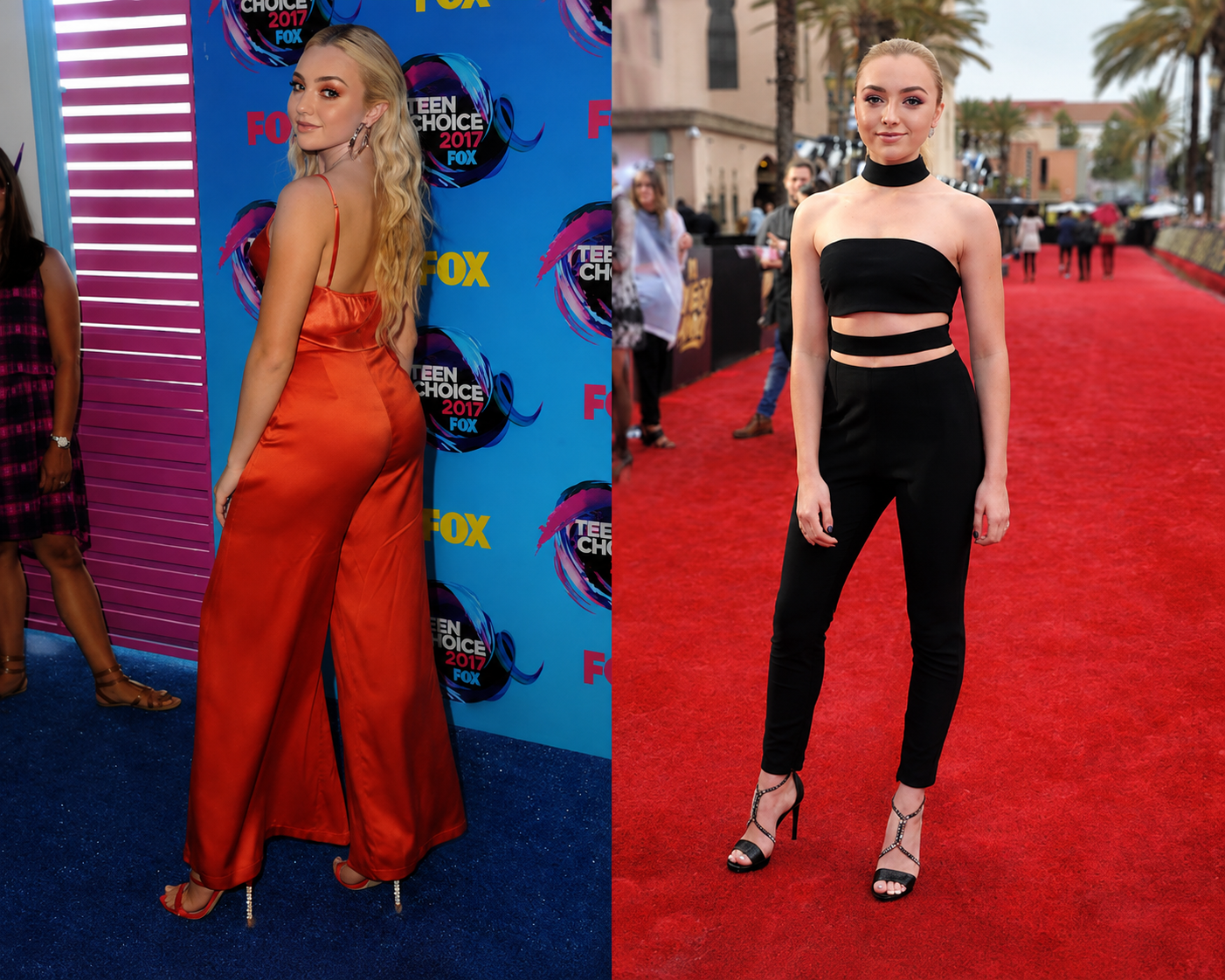
Introduction
Searches for “peyton list nude” often lead to a mixture of celebrity gossip, edited images, misleading headlines, and unverified claims. For readers trying to determine what is genuine, the most useful approach is not to repeat rumors but to separate verifiable information from speculation.
Peyton List is an American actress and model known for roles in Jessie, Cobra Kai, and other film and television projects. Because she has been in the public eye since childhood, images and claims involving her can circulate widely online, sometimes without reliable context.
This article takes a fact-based approach to the subject. It does not reproduce or describe purported intimate images. Instead, it explains how readers can assess claims about celebrity photographs, recognize manipulated or misleading material, and distinguish publicly verified information from internet rumors.
Key Takeaways
- Searches for “peyton list nude” can return unverified, altered, mislabeled, or misleading material.
- A photograph appearing online does not automatically establish that it is authentic or genuinely depicts the person claimed.
- Celebrity image claims should be evaluated using reliable sources, original context, and evidence rather than social-media reposts.
- Peyton List is a professional actress best known for Jessie, Cobra Kai, and other screen roles.
- Sharing or redistributing alleged intimate material can raise serious privacy and ethical concerns.
- The safest approach is to focus on verified public information and avoid treating unsupported online claims as fact.
Biography Table
| Detail | Information |
|---|---|
| Full Name | Peyton Roi List |
| Date of Birth | April 6, 1998 |
| Age | 28 years old in 2026 |
| Birthplace | Florida, United States |
| Nationality | American |
| Profession | Actress and model |
| Education | Attended The Carroll School and Oak Park High School |
| Years Active | 2008–present |
| Known For | Jessie, Cobra Kai, Diary of a Wimpy Kid |
| Major Achievements | Established a successful career in television and film, including major roles in Disney Channel productions and Cobra Kai |
| Estimated Net Worth | Public estimates vary and should be treated cautiously because there is no universally verified figure |
Main Article
Who Is Peyton List?
Peyton List is an American actress who began working professionally at a young age. She first became widely recognized by younger audiences through Disney Channel productions before moving into more mature television and film roles.
One of her best-known early roles was Emma Ross in Jessie, where she appeared alongside other young performers. She later reprised the character in the spin-off series Bunk’d.
List subsequently became particularly recognizable for playing Tory Nichols in Cobra Kai, the continuation of the Karate Kid franchise. The role allowed her to demonstrate a different side of her acting abilities and helped broaden her audience beyond her earlier Disney work.
Her career has also included film appearances, modeling work, and other television projects.
What Does the “Peyton List Nude” Search Actually Mean?
The keyword can represent several different kinds of searches.
Some people may be looking for information about alleged photographs. Others may have encountered a social-media post claiming that an image is authentic and want to know whether it has been verified.
There is an important distinction between a search result and evidence.
A website can use a celebrity’s name in a headline without establishing that its accompanying material is authentic. Search engines index pages based on many signals, and the appearance of a claim in search results does not constitute confirmation.
This is particularly important with celebrity-image searches because misleading pages may use:
- Cropped or altered photographs
- Old photographs presented with new claims
- Images of another person incorrectly labeled
- AI-generated or digitally manipulated material
- Misleading thumbnails
- Social-media screenshots without original context
- Fabricated celebrity-news stories
Consequently, the presence of an image online should never be treated as proof of authenticity.
Is There Verified Evidence Behind Online Claims?
A responsible answer requires distinguishing verified public information from material that merely circulates online.
Unless a photograph has been reliably authenticated through credible evidence, it is inappropriate to present an alleged intimate image as genuine simply because multiple websites or social-media accounts repeat the same claim.
Repetition does not create verification.
For example, imagine that an image first appears on an anonymous account and is subsequently reposted by dozens of other accounts. A reader might conclude that the large number of copies proves authenticity. In reality, all of those copies could trace back to the same unverified source.
The original provenance matters far more than the number of reposts.
How Can You Check Whether a Celebrity Image Is Authentic?
Readers who encounter a questionable celebrity photograph can use a simple verification process.
1. Identify the Original Source
Look for the earliest identifiable publication of the image rather than relying on reposts.
Ask:
- Who originally published it?
- When was it published?
- Is the account or website reputable?
- Is there independent evidence supporting the claim?
Anonymous accounts provide considerably less reliable evidence than established publications with editorial standards.
2. Examine the Context
An image can be genuine while the caption attached to it is false.
Check whether:
- The date matches the alleged event
- The location is plausible
- The photograph has appeared previously
- The original caption says something different
- The image has been cropped or edited
Context can completely change the meaning of a photograph.
3. Compare With Reliable Public Sources
If a major claim about a public figure is genuine and newsworthy, reliable entertainment or news publications may provide contextual reporting.
However, the absence of coverage does not automatically prove that a claim is false. It simply means there may not be enough reliable evidence to treat the claim as established fact.
4. Look for Signs of Manipulation
Digitally altered images can sometimes contain visible inconsistencies.
Potential warning signs include:
- Unnatural edges
- Inconsistent lighting
- Distorted facial features
- Strange hands or fingers
- Unusual reflections
- Mismatched shadows
- Blurred areas that do not fit the surrounding image
- Abrupt differences in image quality
These signs are useful clues, but visual inspection alone cannot always establish authenticity.
5. Do Not Treat Search Rankings as Verification
A webpage appearing near the top of a search engine does not mean its claims have been independently confirmed.
Search results are discovery tools, not certificates of authenticity.
Why Celebrity Image Rumors Spread So Quickly
Celebrity rumors benefit from a combination of curiosity, social sharing, and sensational headlines.
A misleading post may receive thousands of views before anyone checks the original source. Once an image is copied across multiple websites, it can become difficult for readers to identify where the claim began.
Search-focused websites may also create pages around highly searched phrases even when they have little original information to contribute.
This creates a cycle:
- A questionable claim appears.
- Social accounts repost it.
- Websites create pages around the claim.
- Search engines discover those pages.
- Readers interpret the number of results as evidence.
- More people share the material.
Understanding this cycle makes it easier to approach sensational celebrity searches critically.
The Difference Between a Real Photograph and a Real Claim
One of the most important distinctions is that image authenticity and claim authenticity are separate questions.
A photograph can be real but falsely described.
For example, an authentic red-carpet photograph could be reposted with a fabricated story claiming it came from a completely different event. Conversely, an edited photograph may be presented as an original.
Therefore, verification should ask two separate questions:
| Question | What It Establishes |
| Is the image authentic? | Whether the visual material has been altered or fabricated |
| Is the accompanying claim authentic? | Whether the description, date, identity, and context are accurate |
Both questions matter.
Why Privacy Matters in Celebrity Searches
Being a public figure does not mean that every type of personal material becomes fair game for distribution.
Actresses and other celebrities can become targets of fabricated, manipulated, or unlawfully distributed intimate imagery. Reposting such material can contribute to harassment and privacy violations even when the person involved is famous.
A responsible information source should therefore avoid amplifying alleged private imagery and instead provide useful context about verification, misinformation, and publicly documented work.
This approach also protects readers from accidentally relying on fabricated material.
Peyton List’s Career Beyond Online Rumors
Focusing exclusively on sensational searches can obscure the subject’s actual professional achievements.
Peyton List’s career includes several notable milestones.
Disney Channel Success
List became widely known for her role as Emma Ross in Jessie. The series helped establish her as a recognizable young television performer.
She also appeared in Bunk’d, extending her connection with the Disney Channel audience.
Cobra Kai
Her role as Tory Nichols in Cobra Kai became one of the defining parts of her later career.
The character is considerably more complex than many of List’s earlier roles, giving her opportunities to portray conflict, vulnerability, ambition, and personal development.
Film and Television Work
List has also appeared in films and other television productions, demonstrating that her career extends well beyond the projects that initially made her famous.
For readers interested in Peyton List, examining her acting career provides substantially more reliable information than relying on unverified image rumors.
What Should You Do When You Find a Suspicious Image?
If you encounter an alleged celebrity photograph that appears questionable, the most responsible response is to avoid spreading it.
Instead:
- Do not immediately repost the image.
- Check the original source and publication date.
- Search for independent reporting about the claim.
- Look for evidence of manipulation or misidentification.
- Treat anonymous social-media claims cautiously.
- Avoid downloading or distributing alleged private material.
- If the content appears abusive or unlawfully distributed, use the platform’s reporting mechanisms.
This approach protects both the reader and the person depicted.
Common Red Flags in Celebrity Photo Claims
Several warning signs should make readers skeptical.
Sensational Headlines
Phrases designed primarily to provoke curiosity rather than provide evidence are a warning sign.
No Original Source
If a page provides no identifiable source for a photograph, its authenticity cannot easily be established.
“Leaked” Without Evidence
The word “leaked” is frequently used as a marketing term. It does not independently prove where an image originated or whether it is authentic.
Multiple Sites Using Identical Wording
Identical descriptions across unrelated websites may indicate that they are copying the same unverified source rather than independently confirming a story.
Poor-Quality Screenshots
Screenshots can remove important information such as timestamps, captions, usernames, or original URLs, making verification more difficult.
Frequently Asked Questions
Is the “Peyton List nude” search based on verified information?
Not every result associated with the keyword is verified. Online claims should be evaluated individually using reliable sourcing and original context.
Is Peyton List an actress?
Yes. Peyton List is an American actress known for productions including Jessie, Bunk’d, and Cobra Kai, among other film and television projects.
How can I verify a celebrity photograph?
Start with the original source, publication date, context, and independent reporting. Reverse-image-search tools and image-analysis techniques can provide additional clues, but none should be treated as infallible on their own.
Can a real photograph have a false caption?
Yes. A genuine photograph can be taken from one event and falsely presented as something else. Image verification therefore requires checking both the photograph and its surrounding claim.
Does appearing in search results prove an image is genuine?
No. Search engines can index pages containing unverified, misleading, altered, or inaccurate material. Search visibility is not the same as authentication.
Why are celebrity images frequently misidentified online?
Celebrity photographs are often reposted without their original context. In addition, edited images, fabricated stories, impersonation accounts, and engagement-driven websites can contribute to misidentification.
Should alleged private celebrity images be reposted?
No. Reposting alleged private or intimate imagery can amplify misinformation and may contribute to privacy violations. It is better to rely on verified public information.
Conclusion
The search term “peyton list nude” illustrates a broader problem with celebrity information online: highly searched claims are not necessarily well-supported claims.
The most reliable way to evaluate an alleged photograph is to investigate its original source, context, publication history, and independent evidence. A large number of reposts does not establish authenticity, and a prominent search ranking does not turn an allegation into a fact.
Peyton List’s documented career provides plenty of verifiable material for readers interested in her work, from her early Disney Channel success to her prominent role as Tory Nichols in Cobra Kai.
When dealing with questionable celebrity imagery, the best standard is simple: verify before believing, and think before sharing.


Leave a Reply