

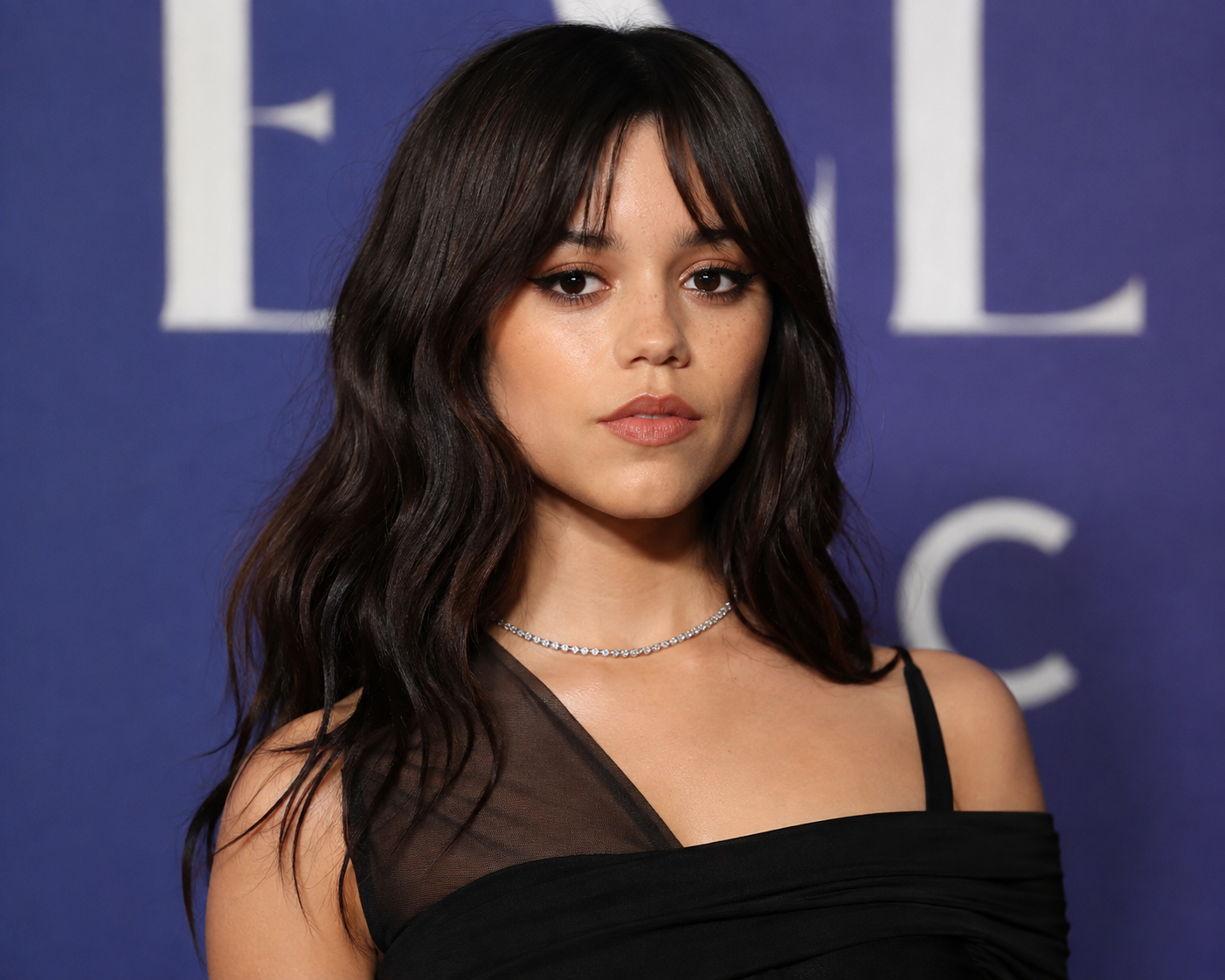
Introduction
Searches for “jenna ortega nudes” can lead users toward a confusing mix of genuine photographs, altered images, misleading headlines, fabricated claims, and digitally manipulated content. Because celebrity images can be copied and reposted across thousands of websites and social platforms, determining what is authentic is not always straightforward.
Jenna Ortega is a widely recognized American actress known for projects including Wednesday, Scream, and Beetlejuice Beetlejuice. Her public profile has also made her a frequent subject of online rumors and misleading image-based content.
This guide focuses on how to understand and evaluate claims surrounding Jenna Ortega nudes without treating unverified material as authentic. It explains common manipulation techniques, how to check suspicious images, why celebrity searches can produce misleading results, and what readers should consider before sharing or saving questionable content.
Key Takeaways
- Online claims involving celebrity nude images should not automatically be treated as authentic.
- Edited photographs, fabricated pages, impersonation accounts, and digitally manipulated images can appear convincing.
- A search result, social-media post, or website headline is not proof that an image is genuine.
- Reverse-image searches and reputable sources can help determine the origin of suspicious photographs.
- Sharing intimate or apparently intimate images without consent can cause serious privacy and legal concerns.
- The safest approach is to avoid redistributing unverified intimate material.
Biography Table
| Category | Information |
|---|---|
| Full Name | Jenna Marie Ortega |
| Date of Birth | September 27, 2002 |
| Age | 23 as of August 2026 |
| Birthplace | Coachella Valley, California, United States |
| Nationality | American |
| Profession | Actress |
| Education | Publicly available information does not establish a conventional higher-education path |
| Years Active | 2012–present |
| Known For | Wednesday, Scream, Scream VI, Beetlejuice Beetlejuice, You |
| Major Achievements | Emmy recognition for Wednesday and multiple major acting nominations and awards |
| Estimated Net Worth | Not included because celebrity net-worth estimates vary substantially and are not consistently verified |
What Does “Jenna Ortega Nudes” Mean in Search Results?
The phrase “jenna ortega nudes” does not necessarily identify one specific photograph, event, or verified publication. Searchers may encounter several different categories of material under the same keyword.
These can include:
- Ordinary red-carpet photographs presented with sensational headlines
- Edited or cropped celebrity photographs
- Fake social-media posts
- Fabricated celebrity-news articles
- AI-generated or digitally altered images
- Misidentified photographs of other people
- Clickbait pages designed primarily to generate advertising traffic
- Reposts of old images with misleading descriptions
The keyword itself therefore provides no evidence that an alleged intimate photograph is genuine.
A major mistake is assuming that a photograph must be authentic simply because several websites appear to publish the same image. Online content can be copied repeatedly from one original source, meaning dozens of pages may actually trace back to the same unverified post.
Why Celebrity Images Are Frequently Misrepresented
Public figures are particularly vulnerable to image manipulation because large numbers of photographs of them are already publicly available.
Professional photographs from premieres, award shows, interviews, fashion events, and social-media accounts provide extensive source material. Manipulators can modify those images or combine them with unrelated material.
The result may look convincing at first glance, particularly when the edited image has been compressed or reposted several times.
The Role of Clickbait
Some websites use celebrity names and sensational keywords to attract search traffic. A page may promise an exclusive photograph while providing no credible evidence about its origin.
Common warning signs include:
- Sensational headlines without supporting information
- Anonymous or unclear sources
- Excessive advertisements and pop-ups
- Images with no photographer or publication credit
- Claims that cannot be independently verified
- Pages that repeatedly redirect visitors
- Social accounts created specifically to promote questionable material
A prominent search position does not establish authenticity. Search engines organize information; they do not turn every result into a verified factual source.
How to Check Whether a Celebrity Image Is Authentic
When encountering an alleged Jenna Ortega nude image or any other suspicious celebrity photograph, use several independent checks rather than relying on appearance alone.
1. Identify the Original Source
Start by asking where the image first appeared.
A credible photograph will often have identifiable context, such as:
- A professional publication
- A recognized photographer
- An official event
- A legitimate interview
- An established news or entertainment outlet
An image that exists only on anonymous websites is considerably harder to authenticate.
2. Use Reverse-Image Search
Reverse-image search tools can help identify earlier appearances of a photograph.
If the same image appears years earlier in an unrelated context, that can reveal that a newer claim is misleading.
Look for the earliest credible appearance rather than simply counting how many websites currently display the photograph.
3. Compare Visual Details
Manipulated images may contain inconsistencies that become visible when examined carefully.
Potential indicators include:
- Unnatural edges around hair or clothing
- Inconsistent lighting
- Distorted hands or facial features
- Unusual reflections
- Repeated textures
- Incorrect shadows
- Different image quality between parts of the photograph
- Strange proportions or anatomy
None of these characteristics alone proves manipulation, but several inconsistencies together can be a strong warning sign.
4. Check Reputable Reporting
If a supposedly significant celebrity event actually occurred, established entertainment publications may have reported it.
Compare the claim against multiple independent sources rather than relying on one website or social-media account.
The absence of credible reporting does not automatically prove that something is false, but it should encourage additional verification.
Deepfakes and Digitally Manipulated Celebrity Images
Modern image-editing technology has made realistic manipulation increasingly accessible.
A digitally manipulated image can combine a genuine photograph of one person with another image or artificially generated elements. The final result may appear realistic enough to mislead someone viewing it quickly.
This creates an important distinction between a real photograph of a celebrity and a real depiction of an event involving that celebrity.
A genuine photograph can be altered and placed into a completely false context.
For this reason, visual appearance should not be the only basis for determining authenticity.
Why Reposts Do Not Prove Authenticity
One of the most common misconceptions surrounding viral celebrity photographs is that repeated publication confirms the original claim.
It does not.
Imagine that an unverified image is posted on one account. Ten other accounts copy it. Those accounts are then referenced by additional websites. Eventually, a search may produce hundreds of results containing essentially the same photograph.
That creates an illusion of independent confirmation.
The important question is not:
“How many websites show this image?”
Instead, ask:
“Can I identify a credible, independent source that verifies where this image came from?”
That distinction is essential when evaluating viral celebrity content.
Privacy and Responsible Sharing
Searchers should also consider the consequences of redistributing intimate material.
Even when an image appears authentic, sharing or reposting intimate photographs without the subject’s consent can create serious privacy concerns. It can also expose users to platform enforcement, copyright disputes, scams, or other problems.
A responsible approach is to avoid downloading or distributing questionable intimate imagery and instead focus on verified information.
This is especially important when an image’s origin, consent, or authenticity cannot be established.
How to Recognize a Fake Celebrity Website
Some websites are designed to resemble entertainment-news publications but provide little reliable information.
Before trusting a page, examine:
About Page
Does the website identify its editors, writers, or organization?
Author Information
Does the article have a real author with relevant publishing history?
Sources
Does the article identify where its claims originated?
Publication History
Does the website regularly publish legitimate reporting, or does it primarily post sensational celebrity content?
Contact Information
Is there a legitimate way to contact the publication?
These checks cannot guarantee that an article is accurate, but they can help distinguish established reporting from low-quality content farms.
What Searchers Should Do With Suspicious Images
If you encounter an alleged intimate photograph involving Jenna Ortega and cannot verify its origin, the safest course is simple:
- Do not assume it is authentic.
- Do not repost it as fact.
- Look for the original source.
- Compare information across reputable publications.
- Use reverse-image search where appropriate.
- Avoid websites demanding personal information or payments to view supposed “exclusive” material.
- Report clearly abusive or non-consensual content through the relevant platform.
This approach is useful not only for searches involving Jenna Ortega but for celebrity-image claims generally.
Frequently Asked Questions
Are Jenna Ortega nudes verified online?
Search results containing the phrase “jenna ortega nudes” should not be considered proof that alleged intimate images are authentic. Individual images require independent verification of their source and context.
How can I tell if a celebrity photograph is fake?
Check the original source, use reverse-image search, examine visual inconsistencies, and compare the claim with reporting from reputable independent publications.
Can AI-generated images look like real celebrity photographs?
Yes. Modern image-generation and editing techniques can create highly convincing images. Visual realism alone is therefore not sufficient evidence of authenticity.
Does appearing in search results mean an image is genuine?
No. Search results can include user-generated pages, social posts, copied articles, manipulated images, and misleading websites. Search visibility is not the same as factual verification.
Why do celebrity image scams spread so quickly?
Celebrity names attract significant search interest. Scammers and low-quality publishers can exploit that interest with sensational headlines, fake downloads, misleading advertisements, and fabricated claims.
What should I do if I find a suspicious intimate image?
Do not redistribute it. Verify the claim through reliable sources and use the platform’s reporting mechanisms when the content appears abusive, deceptive, or non-consensual.
Is every photograph associated with a celebrity’s name authentic?
No. Genuine photographs can be edited, cropped, miscaptioned, or placed into a false context. Authenticity requires examining both the image and its provenance.
Conclusion
The search term “jenna ortega nudes” can lead to a mixture of legitimate celebrity photography, misleading claims, manipulated images, and potentially fabricated material. The keyword itself does not establish that any particular photograph is genuine.
The most reliable way to evaluate questionable celebrity imagery is to investigate its origin, compare independent sources, examine the image for inconsistencies, and avoid treating viral repetition as proof.
For readers, the key lesson is straightforward: verify before believing, and verify before sharing. In an online environment where photographs can be edited, copied, and presented without context, careful source evaluation is more valuable than a sensational headline.


Leave a Reply